Documentary Theatre as Witness in Ukraine
Ash Marinaccio and Ukrainian theatremaker Veronika Skliarova discuss how documentary theatre is preserving testimony, fostering resilience, and building community amid war.


Ash talks with Zoe Lafferty, founder of Artists on the Frontline, about artist-led citizen journalism in Palestine’s Jenin refugee camp and the role of political documentary theatre projects in the current political climate.
Ash Marinaccio and the 2024-2025 Civilians R&D Group discuss investigative theatre, how artists blend research, interviews, and emotional truth to create new work. They discuss new play development, ethics, community, and why “live bodies in a room” still matter.
Ash Marinaccio speaks with the Creative Pathways team at the Genesis Center in Providence, RI, about how documentary theatre is used alongside drama therapy to support newly arrived immigrants and refugees in sharing their stories, building community, and learning English.
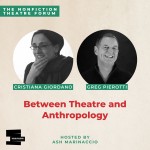
Ash Marinaccio takes a deep dive into how anthropology and theatre collide as Cristiana Giordano and Greg Pierotti share the origins of their collaboration and how ethnography, theory, and devised practice fuel their creative work.
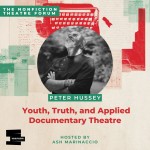
Ash talks with Peter Hussey of Crooked House Theatre about the ways interviews and personal stories shape their youth and documentary theatre, and how intergenerational projects connect people across age and experience.
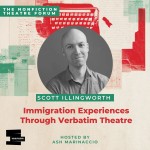
Ash Marinaccio talks with Scott Illingworth, founder of the Verbatim Salon, where actors perform real stories from those navigating the US immigration system. They explore the creative process and how verbatim theatre sheds light on today’s urgent social issues.
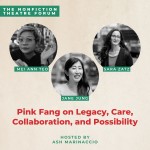
On the debut episode of the Nonfiction Theatre Forum, Ash speaks with Pink Fang’s leadership about evolving documentary and community-based theatre, ethical collaboration, sustaining legacy, and adapting programs to meet today’s social, political, and artistic challenges.